
Have an emergency? Call us now on 07732 234231. Available 24/7 with a 30 minute response time.

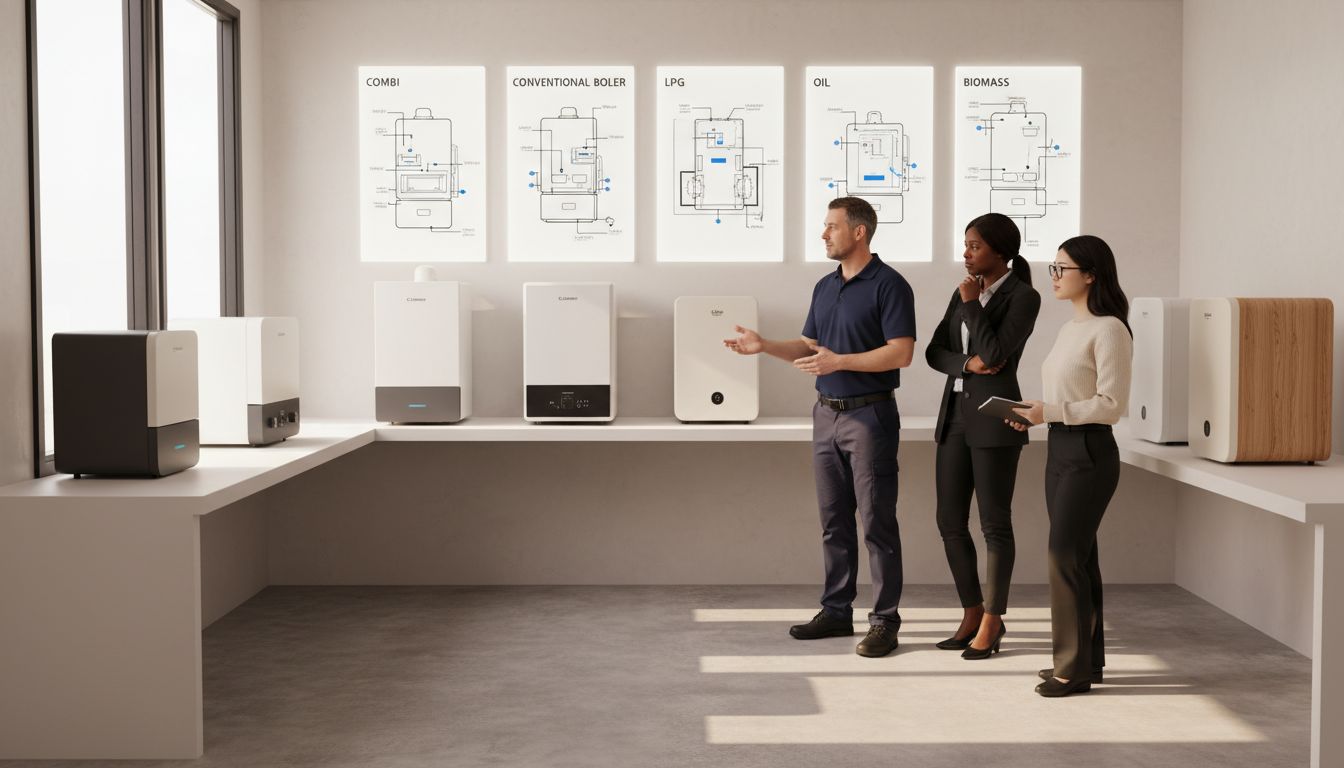
More than half of UK homes still run on older boiler systems that waste energy and money every year. Choosing the right boiler can help you cut bills, improve comfort, and even reduce your carbon footprint. Whether you live in a modern flat or a country cottage, understanding today’s boiler options will help you find a heating system that matches your needs and saves you money.
| Takeaway | Explanation |
|---|---|
| 1. Choose combi boilers for compact homes | Combi boilers provide heat and hot water in one unit, making them ideal for smaller properties with limited space. |
| 2. System boilers suit larger households | System boilers can support multiple hot water outlets simultaneously, perfect for homes with higher hot water demands. |
| 3. Regular boilers fit older properties | Regular boilers are compatible with existing older heating systems, making them ideal for traditional homes with established infrastructure. |
| 4. Gas boilers are cost-effective | Traditional gas boilers are widely accessible and typically offer lower operational costs, suitable for homes connected to the gas grid. |
| 5. Biomass boilers reduce carbon footprint | Biomass boilers utilize renewable materials for heating, providing an eco-friendly alternative that can qualify for government incentives. |
Combi boilers represent a game changing solution for modern homes seeking streamlined heating and hot water systems. These compact units eliminate the need for separate water tanks by providing heat and hot water directly from a single appliance, making them an ideal choice for properties with limited space.
At their core, combi boilers work by heating water instantly as it flows through the system. When you turn on a hot water tap, the boiler springs into action, warming water on demand without storing it in a separate cylinder. This approach offers significant energy efficiency advantages, as you only heat the water you actually use.
The efficiency of combi boilers makes them particularly attractive for smaller households. According to the Energy Saving Trust, they are most suitable for homes with one or two bathrooms and lower hot water demand. Their compact design means they can be easily installed in airing cupboards, kitchens, or utility rooms without requiring extensive space.
Key Benefits of Combi Boilers:
When considering a combi boiler, assess your household’s specific hot water requirements. Homes with multiple bathrooms or high simultaneous water usage might find these units less effective, as they can struggle to maintain consistent water pressure when multiple taps are running simultaneously.
For those with suitable properties, a modern combi boiler can provide an excellent balance of convenience, efficiency, and performance in one smart heating solution.
System boilers emerge as an excellent heating solution for households with substantial hot water requirements and multiple bathrooms. Unlike combi boilers, these units feature a separate hot water cylinder that allows for storing and distributing heated water across various outlets simultaneously.
The fundamental design of system boilers sets them apart from other heating systems. They draw water directly from the mains and heat it through a central unit, storing the hot water in an insulated cylinder for later use. This approach provides significant advantages for larger families or properties with higher water consumption needs.
According to the Energy Saving Trust, system boilers are particularly well suited for homes with two or more bathrooms. Their ability to supply consistent hot water to multiple taps simultaneously makes them a preferred choice for busy households where water demand can spike quickly.
Key Advantages of System Boilers:
While system boilers offer numerous benefits, they do come with a minor drawback. The separate hot water cylinder can experience some heat loss over time, which means occasional reheating might be necessary. However, modern insulation techniques have significantly reduced this inefficiency.
Understanding your household’s specific hot water needs is crucial when considering a system boiler. For families with multiple occupants or those requiring simultaneous hot water across different areas, this boiler type represents an intelligent and reliable heating solution.
Regular boilers represent a traditional heating solution that continues to serve many older UK properties with their time tested design. These boilers operate with a complete system of separate cold water storage tanks, hot water cylinders, and heating components, making them particularly well suited for homes with existing classic heating infrastructure.
Unlike more modern boiler types, regular boilers require both a cold water storage tank typically located in the loft and a separate hot water cylinder. According to the Energy Saving Trust, this configuration allows them to work seamlessly with older central heating systems and provide consistent hot water across multiple outlets.
Key Characteristics of Regular Boilers:
The primary advantage of regular boilers lies in their adaptability to older property configurations. Homes built before modern combi boiler technologies emerged often have intricate pipework and heating layouts that align perfectly with these conventional systems. Their design allows for straightforward installation in properties with established heating frameworks.
While regular boilers might seem less efficient compared to newer models, they remain an excellent choice for homeowners who want to maintain their existing heating infrastructure without extensive renovations. Their ability to work with gravity fed systems and provide reliable hot water makes them a dependable option for many traditional British homes.
Gas and LPG boilers represent two powerful heating solutions that offer homeowners efficient and economical ways to keep their properties warm. While both share similar operational principles, they differ significantly in fuel source and accessibility, making each suitable for distinct property types.
Traditional gas boilers remain the most common heating system in the UK, connected directly to the national gas grid. These boilers burn natural gas to generate heat, providing a reliable and typically more affordable heating method compared to alternative fuel sources. According to research from the Federation of Master Builders, upgrading to a modern gas boiler can lead to substantial energy bill reductions.
Key Features of Gas and LPG Boilers:
LPG boilers offer an excellent alternative for properties without direct gas grid access. These systems use liquefied petroleum gas stored in on site tanks, providing similar performance to traditional gas boilers. Rural properties or homes in remote locations often rely on LPG as their primary heating fuel, ensuring reliable warmth where natural gas connections are unavailable.
When considering a gas or LPG boiler, homeowners should evaluate their property location, existing infrastructure, and long term energy efficiency goals. Both options present compelling advantages for cost effective heating, with modern models delivering impressive performance and reduced environmental impact.
Oil boilers provide a robust heating solution for properties located in rural areas without access to the national gas grid. These systems operate by burning heating oil stored in an on site tank, generating heat for central heating and hot water systems in homes typically found in more remote locations.
The fundamental difference between oil boilers and other heating systems lies in their fuel source and storage requirements. Unlike gas boilers connected to a continuous supply network, oil boilers demand careful management of fuel reserves. According to research from the Federation of Master Builders, upgrading to a modern oil boiler can deliver substantial energy bill reductions for off grid properties.
Key Characteristics of Oil Boilers:
Homeowners in off grid areas must consider additional factors when using oil boilers. Regular maintenance, monitoring oil levels, and ensuring timely fuel deliveries become crucial aspects of managing these heating systems. The need for an external storage tank also means properties must have sufficient external space to accommodate this infrastructure.
While oil boilers might seem less convenient than their gas counterparts, they remain an essential heating solution for many rural properties. Modern oil boiler technologies have significantly improved efficiency and environmental performance, making them a viable option for homeowners without direct gas grid access.
Electric boilers represent an innovative heating solution for properties with limited space or restricted fuel infrastructure. These compact units generate heat through electrical elements, offering a clean and efficient alternative to traditional gas or oil heating systems.
Unlike conventional boilers, electric models eliminate the need for complex flue systems or fuel storage tanks. According to research from the Federation of Master Builders, electric boilers can provide a safe and straightforward heating option for properties without direct access to gas or oil networks.
Key Advantages of Electric Boilers:
Properties such as apartments, small homes, or buildings with challenging infrastructure often benefit most from electric boiler technology. Their ability to fit into tight spaces and operate without extensive pipework makes them particularly attractive for urban environments or properties with strict building constraints.
While electric boilers might have higher operational costs compared to gas systems, they offer unparalleled convenience and safety. Homeowners seeking a low maintenance, environmentally friendly heating solution will find electric boilers an increasingly compelling option in modern property design.
Biomass boilers represent an innovative approach to home heating that harnesses renewable organic materials as a sustainable energy source. These sophisticated heating systems transform materials like wood pellets, chips, or logs into efficient thermal energy, offering an environmentally conscious alternative to traditional fossil fuel boilers.
The core mechanism of biomass boilers involves burning organic matter in a combustion chamber to generate heat for central heating and hot water systems. According to research from the Federation of Master Builders, installing a biomass boiler can significantly reduce carbon emissions while potentially qualifying for government renewable energy incentives.
Key Characteristics of Biomass Boilers:
Properties with sufficient external space for fuel storage and those located in rural areas often benefit most from biomass boiler technology. Homeowners must consider factors such as fuel availability, storage requirements, and ongoing maintenance when evaluating this heating option.
While biomass boilers represent a more complex heating solution compared to traditional systems, they offer a compelling pathway towards more sustainable home energy consumption. Their ability to use locally sourced organic materials makes them an increasingly attractive option for environmentally conscious property owners.
This table summarises various types of boilers discussed in the article, highlighting their key features and suitability for different property needs.
| Boiler Type | Description | Key Benefits | Best For |
|---|---|---|---|
| Combi Boilers | Compact unit providing heat and hot water directly. | Instant hot water, compact design, energy efficient. | Smaller households, limited space. |
| System Boilers | Heats water centrally and stores in a cylinder. | Simultaneous hot water, solar compatible. | Larger homes with multiple bathrooms. |
| Regular Boilers | Traditional system with separate water tanks and cylinders. | Compatible with older systems, consistent supply. | Homes with existing pipework. |
| Gas and LPG Boilers | Burn natural gas or LPG for efficient heating. | Lower operational costs, rapid heat. | Various property sizes, rural areas. |
| Oil Boilers | Uses stored heating oil, ideal for off-grid areas. | High efficiency, independent of gas grid. | Rural properties without gas access. |
| Electric Boilers | Utilises electrical elements for heating. | Compact, minimal maintenance, low emissions. | Small spaces, urban areas. |
| Biomass Boilers | Burns organic materials like wood pellets. | Lower carbon footprint, renewable fuel. | Properties with storage space. |
Choosing the perfect boiler can feel overwhelming with so many types available — from combi and system boilers to electric and biomass options. Whether you face limited space, high hot water demand, or live off-grid, understanding your specific needs is key to achieving reliable heating and energy efficiency. Many property owners struggle with outdated systems or inefficient performance that drives up costs and disrupts daily comfort.
At SKAN Heating, we understand these challenges and offer tailored solutions for every property type and heating requirement. Our team of certified technicians brings over 18 years of trusted experience in installing, maintaining, and repairing all boiler types mentioned in the article — including gas/LPG, oil, electric, and renewable systems. We provide expert advice to help you choose the best heating system that fits your lifestyle and home infrastructure while ensuring lasting peace of mind.
Don’t wait until a cold morning to find out your boiler needs urgent attention. Take action now to protect your property with professional support from a local Hampshire heating specialist ready to respond 24/7.
Discover our full range of domestic and commercial heating services and book your free consultation today.
Ready to upgrade or repair your boiler system with confidence and care Ask about our emergency boiler repair or new installation packages in Portsmouth and Waterlooville areas. Visit SKAN Heating to get started and experience warmth without worry.
There are several types of boilers for residential heating, including combi, system, regular (conventional), gas, LPG, oil, electric, and biomass boilers. Evaluate your property’s hot water needs and choose a boiler type that suits your household’s requirements.
Assess your home’s size, the number of bathrooms, and hot water demand to determine the best boiler type. For example, if you have multiple bathrooms, a system boiler may be more suitable for consistent hot water supply.
Switching from a gas boiler to an electric boiler is feasible, but it requires a review of your electrical system’s capacity and may involve upgrading your home’s wiring. Plan to consult with a professional installer for an accurate assessment and a smooth transition.
Regular maintenance varies by boiler type, but typical requirements include annual servicing and checking for leaks or blockages. Schedule maintenance ahead of the heating season to prevent breakdowns and ensure optimal performance.
Biomass boilers can be a worthwhile investment if you have sufficient space for fuel storage and access to organic materials. They can significantly reduce carbon emissions and might qualify for renewable energy incentives, providing long-term savings on energy bills.
The installation of a new boiler typically takes one to three days, depending on the complexity of the system and your home’s existing infrastructure. Plan to consult with a heating professional to get an accurate estimate based on your specific situation.


