
Have an emergency? Call us now on 07732 234231. Available 24/7 with a 30 minute response time.

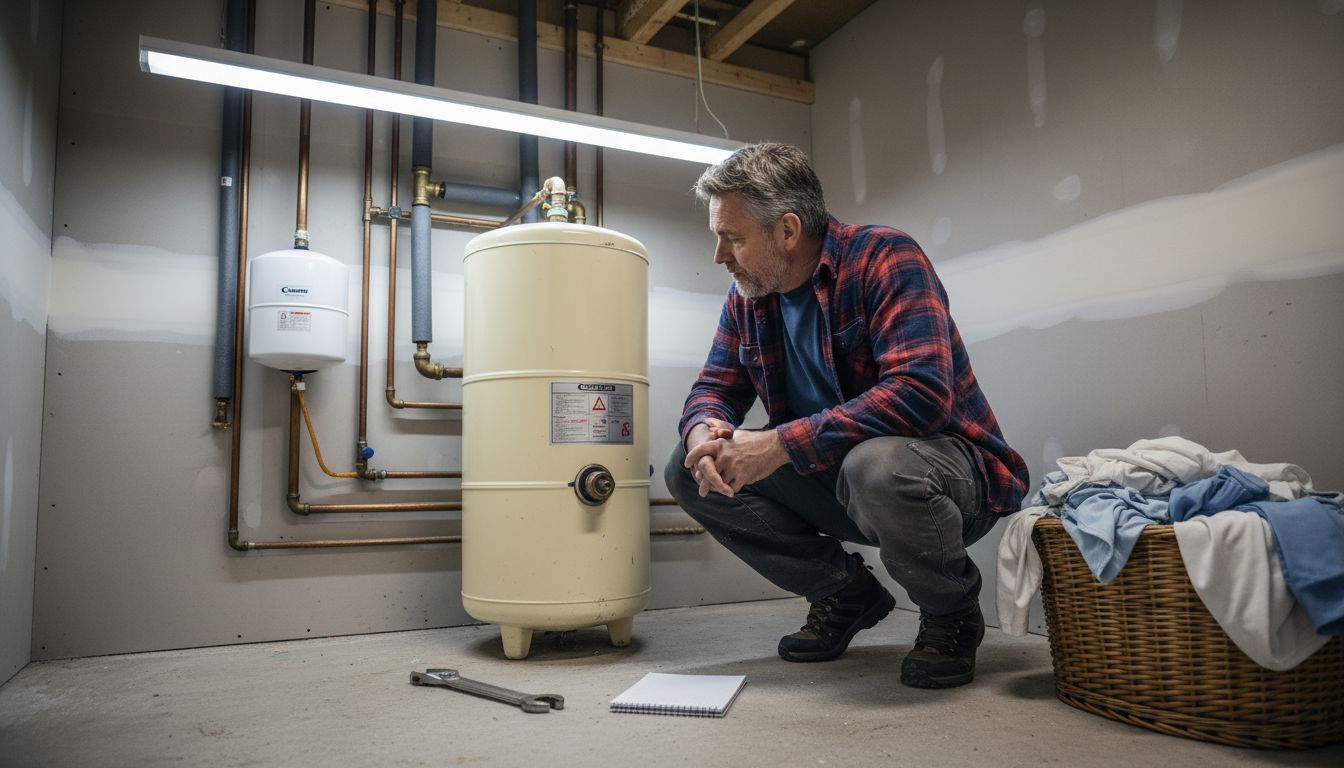
Nearly every British home relies on hot water cylinders for daily comfort, yet many homeowners are surprised to learn that poorly maintained units can waste up to 30 percent more energy. Knowing how these systems work is about more than just saving money. Understanding the essentials behind British hot water cylinders helps you avoid hidden costs, prevent health risks, and get the most out of your heating setup.
| Point | Details |
|---|---|
| Understanding Hot Water Cylinders | Hot water cylinders are essential for maintaining efficient hot water distribution in homes, with vented and unvented systems catering to different needs. |
| Selecting the Right Cylinder | Consider factors such as insulation quality, capacity, and energy efficiency to ensure optimal performance and energy conservation. |
| Maintenance Importance | Regular maintenance is critical to prevent breakdowns and prolong the life of hot water systems, reducing long-term costs. |
| Safety Regulations | Adherence to safety standards is vital for preventing health risks, particularly concerning Legionella bacteria in domestic systems. |
Hot water cylinders represent an essential component in home heating systems, providing reliable and efficient hot water distribution throughout residential properties. Understanding their fundamental mechanics helps homeowners make informed decisions about their home’s thermal infrastructure. These cylindrical storage units collect and maintain heated water, ensuring a consistent supply for daily activities like bathing, washing dishes, and general cleaning.
The primary function of hot water cylinders involves storing heated water at a stable temperature, ready for immediate use. Maintaining appropriate temperatures is crucial for preventing health risks such as Legionella bacteria growth. Modern hot water cylinders come in two primary configurations: vented and unvented systems, each offering distinct advantages for residential heating requirements. Unvented cylinders, for instance, operate directly from the mains water supply, providing higher water pressure and eliminating the need for a separate cold water storage tank.
Key considerations for selecting an appropriate hot water cylinder include insulation quality, capacity, and energy efficiency. Proper insulation can significantly enhance energy conservation and reduce overall heating costs. Homeowners should assess their specific hot water demands, considering factors like household size, daily water usage patterns, and available space for installation. Modern cylinders often incorporate advanced features such as improved thermal layering, which allows for more efficient heat retention and reduced energy consumption.
When evaluating hot water cylinder options, understanding the differences between various models becomes paramount. Factors like material construction, heat loss rates, and compatibility with existing heating systems play crucial roles in determining the most suitable solution. Consulting with professional heating engineers can provide tailored advice, ensuring homeowners select a hot water cylinder that meets their specific thermal requirements while maximising energy efficiency and performance.
Hot water cylinders play a crucial role in providing efficient thermal comfort across residential properties in the United Kingdom. Different configurations of hot water cylinders offer unique advantages for various heating requirements, with homeowners able to select systems tailored to their specific household needs.
The primary categorisations of hot water cylinders include vented and unvented systems, each with distinct operational characteristics. Vented cylinders traditionally rely on gravity-fed water supplies and require a cold water storage tank, whereas unvented cylinders connect directly to mains water pressure, offering more flexible installation options. Modern hot water cylinders can be configured with single or twin coil designs, enabling compatibility with various heating technologies including traditional boilers and renewable energy sources like heat pumps.
Direct and indirect hot water cylinders represent another important differentiation in the UK market. Direct cylinders heat water using an immersion heater contained within the cylinder itself, while indirect systems utilise external heat sources such as boilers or solar thermal panels to warm the water through a heat exchanger coil. This flexibility allows homeowners to integrate cylinders with multiple heating technologies, promoting energy efficiency and reducing overall heating costs.
When selecting a hot water cylinder, British homeowners must consider factors including household size, available space, existing heating infrastructure, and potential future energy system upgrades. Consultation with professional heating engineers can provide tailored advice, ensuring the chosen cylinder meets specific thermal requirements while maximising performance and energy conservation.
Hot water cylinders are sophisticated thermal storage systems designed to efficiently manage domestic water heating requirements. The interaction between hot water cylinders, buffer tanks, and heating technologies represents a complex but crucial aspect of home thermal management, enabling consistent hot water delivery while maintaining optimal energy efficiency.
Hot water cylinders operate through a systematic approach to storing and distributing heated water, utilising various heating mechanisms to maintain temperature. In a typical system, water is heated by an external source such as a boiler, immersion heater, or renewable energy technology like solar thermal panels. The cylinder’s internal design includes strategic layers that allow for temperature stratification, ensuring hot water remains at the top of the tank while cooler water settles at the bottom, maximising heat retention and minimising energy consumption.
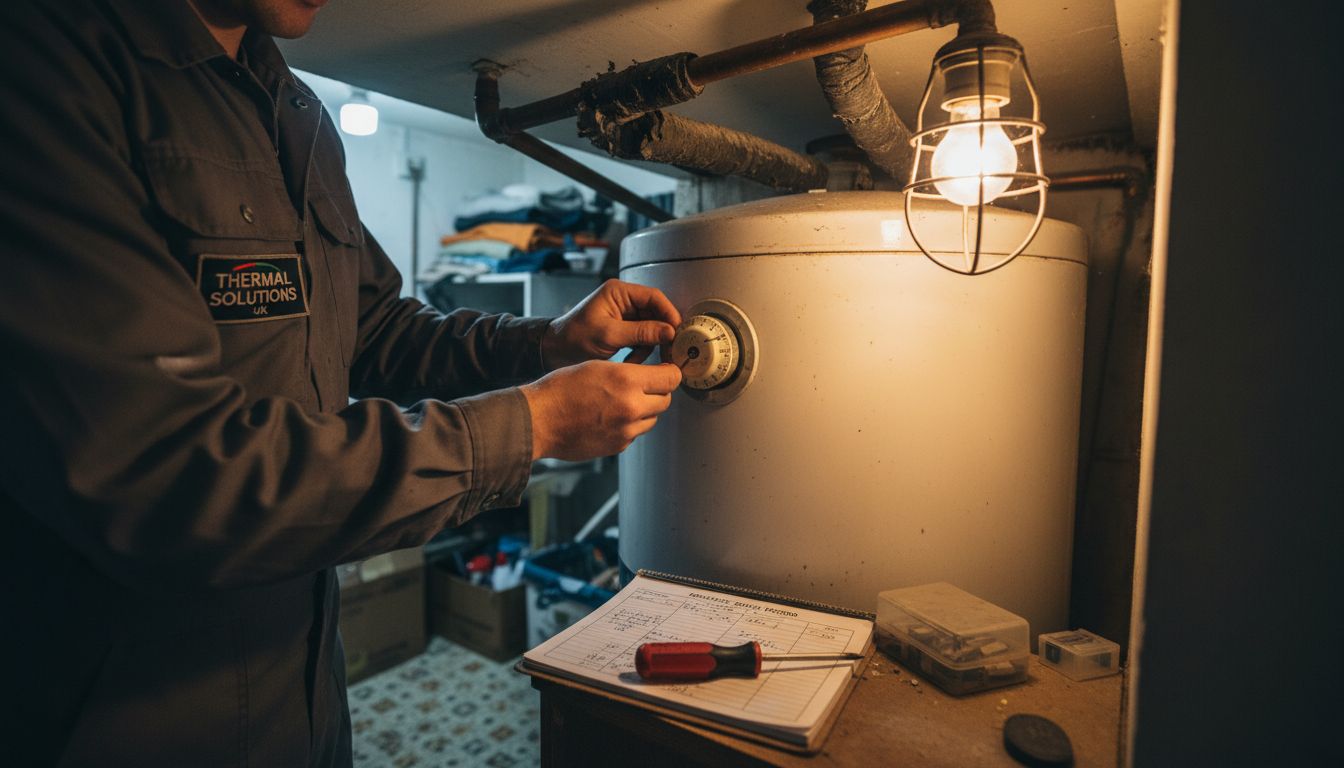
The operational mechanism of hot water cylinders involves multiple key components working in synchronisation. A thermostatic control system monitors water temperature, triggering heating elements when the temperature drops below a predetermined threshold. Insulation plays a critical role in maintaining water temperature, with modern cylinders incorporating advanced thermal barriers that significantly reduce heat loss. Some sophisticated systems even integrate smart technologies that enable precise temperature management and energy consumption tracking.
British households can choose between different cylinder configurations depending on their specific requirements. Direct cylinders heat water internally using immersion heaters, while indirect systems rely on external heat exchangers. The choice between these systems depends on factors like existing heating infrastructure, energy efficiency goals, and household hot water consumption patterns. Professional heating engineers can provide tailored advice to help homeowners select and optimise their hot water cylinder systems for maximum performance and energy efficiency.
Hot water cylinder systems are subject to rigorous safety standards and efficiency regulations that protect both consumer interests and public health. Maintaining appropriate temperature controls and conducting regular inspections are critical for preventing potential health risks, particularly regarding Legionella bacteria growth in domestic water systems.
The UK government continues to update ecodesign and energy labelling standards for hydronic heating systems, ensuring hot water cylinders meet increasingly stringent efficiency requirements. These regulations mandate minimum performance levels, encouraging manufacturers to develop more energy-efficient technologies that reduce carbon emissions and lower household energy consumption. Compliance involves meeting specific technical specifications related to heat retention, thermal insulation, and overall system performance.
Safety considerations extend beyond temperature management. Hot water cylinders must adhere to strict installation guidelines, including proper ventilation, pressure relief mechanisms, and corrosion-resistant materials. Professional heating engineers play a crucial role in ensuring systems meet current building regulations, performing essential safety checks that prevent potential hazards such as scalding, system failures, or bacterial contamination. Homeowners should prioritise regular maintenance and professional servicing to maintain optimal performance and compliance.
Efficiency ratings now form a fundamental aspect of hot water cylinder selection, with modern systems incorporating advanced features like improved insulation, smart temperature controls, and compatibility with renewable energy technologies. British households can significantly reduce energy costs by selecting cylinders with high efficiency ratings, understanding their specific hot water consumption patterns, and implementing recommended energy-saving practices. Consultation with certified heating professionals ensures homeowners make informed decisions that balance safety, legal requirements, and long-term energy efficiency.
Proper maintenance of hot water cylinders is crucial for ensuring long-term performance and minimising energy consumption, with homeowners needing to understand the intricacies of system upkeep. Regular professional servicing can prevent costly breakdowns and extend the operational lifespan of these essential home heating components. Unexpected repairs can often run into hundreds of pounds, making proactive maintenance a financially prudent approach.
Common mistakes in hot water cylinder management include neglecting insulation, improper temperature settings, and overlooking routine inspections. Comprehensive maintenance practices are essential for preventing potential health hazards and ensuring system efficiency, with professional heating engineers recommending annual comprehensive system checks. Homeowners should pay particular attention to signs of corrosion, unusual noises, reduced water pressure, or inconsistent water temperatures, which could indicate underlying mechanical issues.
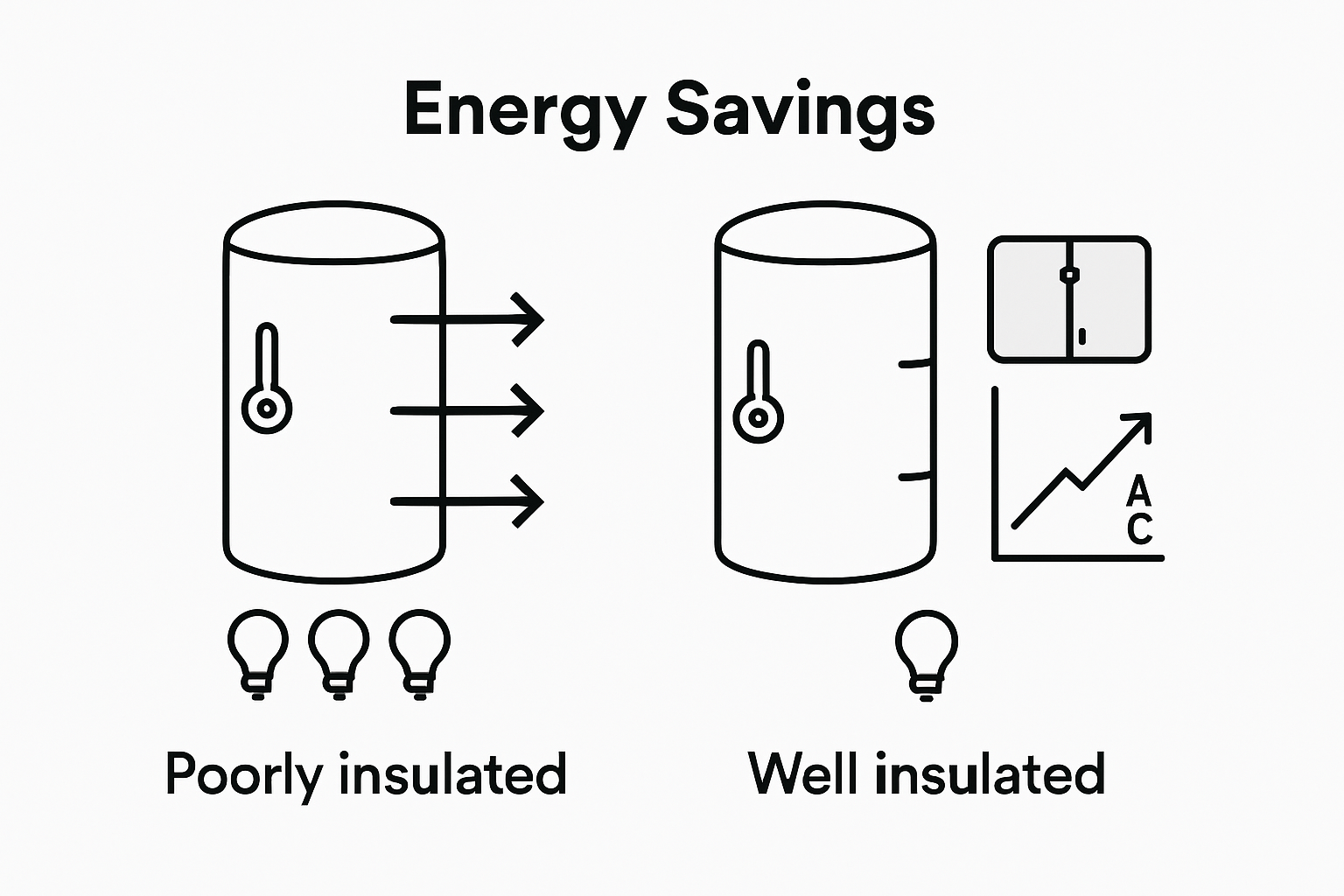
Cost considerations extend beyond immediate maintenance expenses. Inefficient hot water cylinders can significantly increase energy bills, with poorly maintained systems consuming up to 30% more energy than well-serviced alternatives. British households can reduce long-term costs by investing in high-quality insulation, implementing smart temperature controls, and selecting energy-efficient cylinder models. Key strategies include maintaining optimal water temperatures, checking pressure relief valves, and ensuring proper electrical connections.
Financial planning for hot water cylinder maintenance involves budgeting for both preventative and reactive interventions. Homeowners should anticipate annual servicing costs, potential component replacements, and energy efficiency upgrades. Professional heating engineers can provide detailed assessments that help predict potential future expenses, enabling more strategic financial planning. By understanding the nuanced relationship between maintenance, performance, and cost, British households can ensure their hot water systems operate efficiently, safely, and economically.
Managing your hot water system can feel overwhelming, especially when balancing efficiency, safety, and cost. The article highlights crucial challenges such as choosing the right hot water cylinder type, maintaining optimal temperature controls to prevent Legionella risks, and ensuring your system meets legal and efficiency standards. If you have noticed inconsistent hot water pressure, rising energy bills, or worry about proper maintenance, you are not alone. Understanding concepts like vented versus unvented cylinders, thermal insulation, and indirect heating can empower you to make informed decisions that enhance comfort and save money.
At Skan Heating, we specialise in providing expert installation, maintenance, and repair services for a wide range of hot water cylinders including unvented systems and those compatible with renewable technologies. Backed by over 18 years of trusted experience serving Portsmouth, Waterlooville, and wider Hampshire, our team ensures your home heating is reliable, safe, and efficient. From emergency repairs to system upgrades, we tailor our solutions to your household needs, helping you avoid common pitfalls and costly mistakes.
Take control of your home’s hot water efficiency and safety today.
Discover how our professional plumbing and heating services can support your hot water needs.

Explore trusted solutions for hot water cylinder installation and servicing now at Skan Heating. Do not wait until problems escalate, contact our certified technicians for expert advice and fast, friendly service that keeps your water systems running smoothly and efficiently.
Hot water cylinders are storage units that heat and maintain water for domestic use, ensuring a consistent supply for bathing, washing, and cleaning. They operate by heating water through various sources and storing it in insulated tanks to retain heat.
There are primarily two types: vented and unvented. Vented cylinders rely on gravity-fed water from a cold water storage tank, while unvented cylinders operate directly from the mains supply, providing higher pressure.
To enhance efficiency, ensure proper insulation, maintain optimal temperature settings, and conduct regular maintenance checks. Choosing energy-efficient models and implementing smart temperature controls can further reduce energy consumption.
Common mistakes include neglecting insulation, improper temperature settings, and skipping routine inspections. It’s crucial to monitor for signs of wear or malfunction, such as unusual noises or inconsistent water temperatures, to prevent costly issues.


