
Have an emergency? Call us now on 07732 234231. Available 24/7 with a 30 minute response time.


Over 80 percent of british homes rely on central heating systems to keep households warm through chilly months. Understanding how these complex networks work matters, as each component from boilers to thermostats plays a key role in energy efficiency and comfort. This guide explains the main parts, types, control mechanisms, and essential considerations homeowners need to know, with clear insights to help you make smarter choices about your heating setup.
| Point | Details |
|---|---|
| Understanding Components | Recognising the roles of the boiler, radiators, and pipework is essential for maintaining optimal heating efficiency. |
| Diverse Heating Systems | Homeowners can choose from various heating systems, including wet, dry, storage heater, and district heating systems based on their specific needs. |
| Importance of Maintenance | Regular servicing of central heating systems is crucial for safety, efficiency, and longevity, helping to prevent costly repairs. |
| Control Systems Efficiency | Modern control systems enable precise temperature regulation and energy management, enhancing comfort and reducing consumption. |
Central heating systems are intricate networks of interconnected components designed to distribute warmth efficiently throughout residential and commercial properties. According to the UK Government Assets, these systems comprise several critical elements working harmoniously to generate and circulate heat.
The primary components of a central heating system include the boiler, radiators, pipework, thermostats, and circulation pumps. Each element plays a unique role in the heating process. The boiler serves as the system’s heart, generating heat through combustion or electrical processes. Radiators act as heat distributors, transferring thermal energy into individual rooms through metal surfaces that warm surrounding air. Pipework forms the circulatory system, transporting hot water between the boiler and radiators, while circulation pumps ensure consistent water movement.
Control mechanisms represent another crucial aspect of central heating infrastructure. BPEC highlights the importance of sophisticated control systems that regulate temperature, manage energy consumption, and enable precise heating management. Modern thermostats and smart controls allow homeowners to programme heating schedules, adjust temperatures remotely, and optimise energy efficiency. These intelligent components transform traditional heating systems into responsive, adaptable networks capable of meeting dynamic household temperature requirements.
Understanding these components helps homeowners appreciate the complexity behind their heating systems. By recognising how each element contributes to overall performance, residents can make informed decisions about maintenance, upgrades, and potential energy-saving interventions.
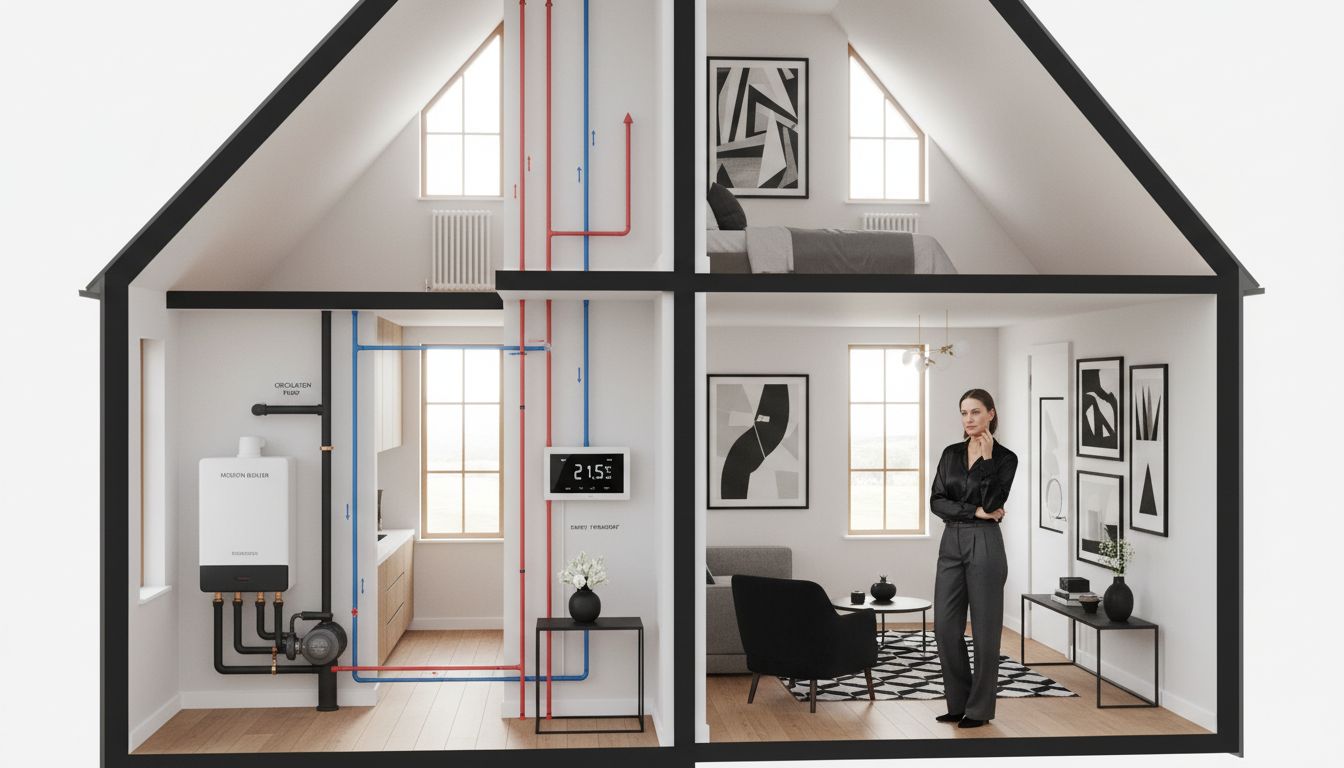 Our guide on types of heating systems provides additional insights into different heating configurations and technologies available for modern properties.
Central heating systems vary significantly in design and functionality, offering homeowners multiple options to suit their specific property requirements. Ideal Home categorises these systems into four primary types: wet systems, dry systems, storage heater systems, and district heating systems, each with distinctive characteristics and operational mechanisms.
Wet systems represent the most common central heating configuration in UK properties. These systems typically utilise a gas boiler to heat water, which is then circulated through radiators or underfloor heating networks. According to Great Home, variations include combination gas boiler systems, gravity-fed gas boiler systems, and high-pressure gas boiler systems. Each variant offers unique advantages: combination boilers provide instant hot water without a separate cylinder, gravity-fed systems work well in older properties with lower water pressure, and high-pressure systems deliver more powerful water flow.
Alternative heating technologies are gaining prominence, particularly air source heat pumps and electric heating systems. These options offer increased energy efficiency and reduced carbon emissions compared to traditional gas-powered solutions. Storage heater systems, predominantly used in properties without gas connections, store electrical energy during off-peak hours and release heat throughout the day. District heating systems, typically found in urban developments, distribute heat from a centralised energy source to multiple properties, presenting a communal approach to heating infrastructure.
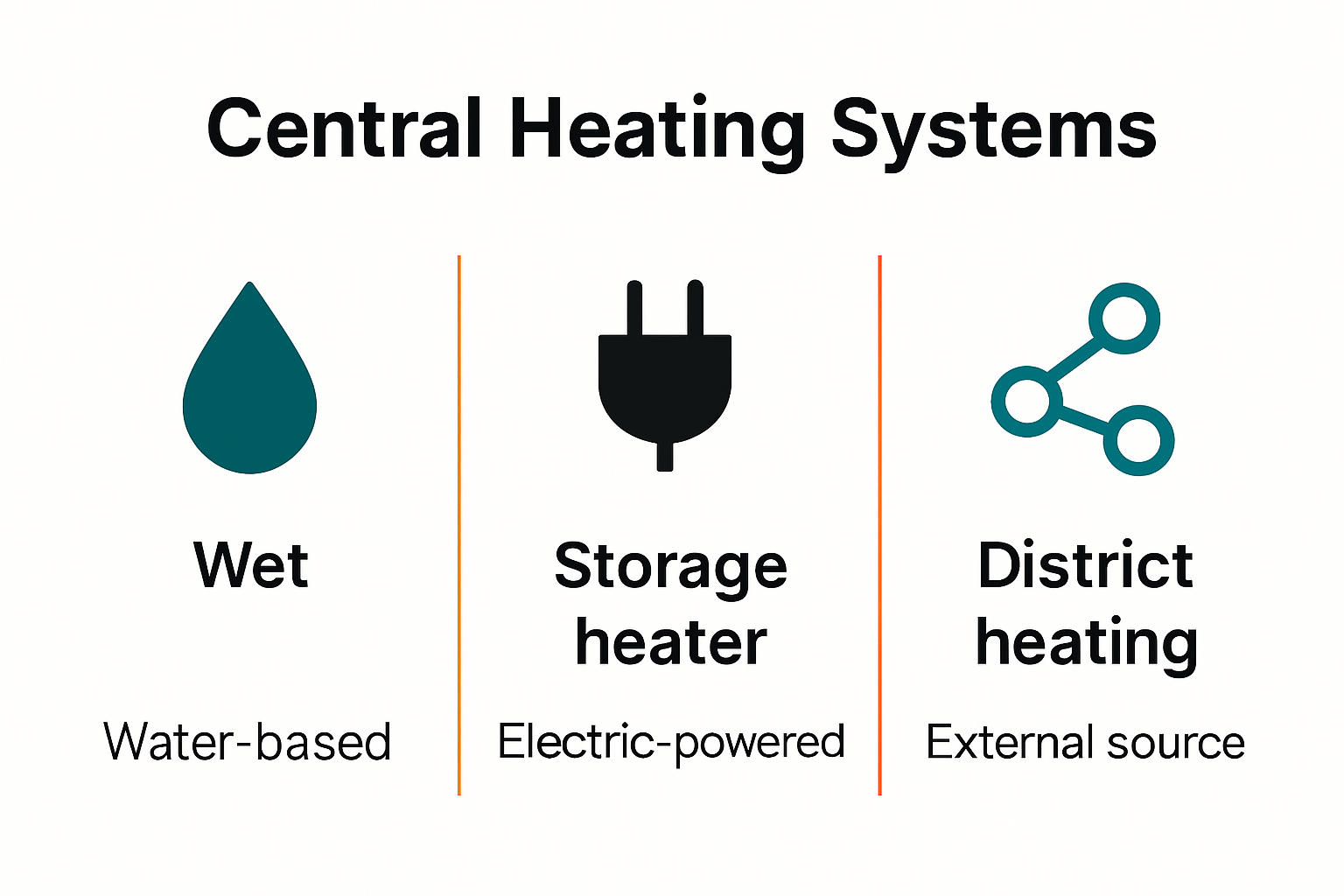
Understanding these systems helps homeowners make informed decisions about their heating infrastructure. By evaluating factors such as property age, energy efficiency, installation costs, and long-term running expenses, residents can select the most appropriate heating solution. For those interested in exploring boiler technologies in greater depth, our guide on types of boilers provides comprehensive insights into the latest heating technologies available for UK homes.
UK Government Assets highlights the critical interdependence of central heating components, with each part playing a vital role in efficient heat distribution. The three primary elements – boiler, radiators, and pipework – form a complex network designed to deliver warmth consistently and effectively throughout residential spaces.
The boiler serves as the central powerhouse of the heating system, generating heat through either gas combustion or electrical processes. According to BPEC, modern boilers have evolved to offer remarkable efficiency, with condensing technologies capturing and reusing heat that would traditionally be lost through exhaust gases. These sophisticated machines convert fuel into thermal energy, transforming cold water into a powerful heating medium capable of warming entire properties.
Radiators and pipework constitute the distribution mechanism of the central heating system. Radiators are strategically placed metal panels that transfer heat from hot water into surrounding spaces, using convection and radiation principles to warm rooms efficiently. Pipework acts as the circulatory system, transporting heated water from the boiler to radiators and back in a continuous circuit. The network of pipes must be carefully designed to minimise heat loss, with proper insulation and routing ensuring maximum thermal efficiency. Variations in pipe materials, from traditional copper to modern plastic composites, offer different performance characteristics and longevity.
Understanding the intricate relationship between these components helps homeowners appreciate the complexity of their heating infrastructure. For those seeking more detailed guidance on selecting the most appropriate boiler for their specific needs, our guide on boiler selection provides comprehensive insights into matching heating systems with individual property requirements.
The evolution of central heating technology has transformed control systems into sophisticated networks of intelligent management. UK Government Assets highlights the critical role of advanced control mechanisms in optimising heating efficiency, enabling homeowners to precisely regulate temperature, energy consumption, and comfort levels across different zones of their properties.
Modern thermostats represent the pinnacle of heating control technology. According to BPEC, contemporary systems offer programmable and smart controls that go far beyond traditional temperature regulation. These intelligent devices can learn household patterns, adjust heating remotely via smartphone applications, and create customised heating schedules that minimise energy waste. Zoning controls allow different temperatures in various rooms, ensuring optimal comfort and energy efficiency by heating only occupied spaces.
Energy sources for central heating have diversified significantly, moving beyond conventional gas systems. While gas remains the most common fuel type, alternative sources like electricity, oil, biomass, and renewable technologies such as air source heat pumps are gaining prominence. Each energy source offers unique advantages: gas provides rapid heating and widespread infrastructure, electricity offers clean and controllable energy, while renewable sources present environmentally sustainable options with potentially lower long-term running costs. The selection depends on factors including property type, local energy infrastructure, installation costs, and environmental considerations.
Understanding these complex control systems and energy sources empowers homeowners to make informed decisions about their heating infrastructure. For those seeking more detailed guidance on selecting the most appropriate heating system, our boiler selection guide provides comprehensive insights into matching heating technologies with individual property requirements.
Ideal Home emphasises the critical importance of proactive maintenance in central heating systems, highlighting that regular servicing is not merely a recommendation but a necessity for ensuring optimal performance, safety, and longevity. Annual maintenance represents a strategic investment that can prevent costly repairs, improve energy efficiency, and mitigate potential safety risks associated with poorly maintained heating infrastructure.
Cost considerations extend beyond initial installation, encompassing ongoing operational expenses and potential long-term savings. According to Great Home, homeowners should anticipate annual servicing costs, factor in energy efficiency ratings, and consider the potential impact of system upgrades. Efficiency ratings play a crucial role in determining running costs, with modern condensing boilers offering significant improvements over older models. Typical maintenance expenses include annual professional servicing, potential component replacements, and periodic system diagnostics.
Safety considerations represent a paramount concern in central heating systems. Critical safety measures include regular carbon monoxide checks, ensuring proper ventilation, and maintaining certified professional inspections. Gas and electric systems require different safety protocols: gas systems demand rigorous leak detection and combustion efficiency testing, while electric systems necessitate comprehensive electrical safety checks. Professional heating engineers can identify potential risks such as corrosion, pressure irregularities, and component wear that might compromise system integrity and household safety.
Navigating the complexities of central heating maintenance requires professional expertise and informed decision making. Homeowners seeking comprehensive guidance on maintaining their heating systems can benefit from our boiler installation checklist, which provides detailed insights into ensuring safe and efficient heating infrastructure.
Understanding your central heating system’s components such as boilers, radiators, and control mechanisms is key to maintaining comfort and efficiency in your home or business. If you are facing challenges with outdated boilers or complex heating controls, or if you want to improve energy efficiency and safety, expert guidance and professional service can make all the difference. With more than 18 years of trusted experience, our certified technicians in Hampshire specialise in installation, maintenance, and emergency repairs to ensure your heating system performs at its best year-round.

Get peace of mind today by choosing reliable heating solutions tailored to your needs. Whether you require a new boiler installation, urgent repairs, or advice on smart thermostats and energy-saving upgrades, visit Skan Heating and explore our comprehensive central heating services. Contact us now to benefit from our 24/7 emergency support and keep your property warm with confidence.
The main components of a central heating system include the boiler, radiators, pipework, thermostats, and circulation pumps. Each component plays a crucial role in generating and distributing heat throughout the property.
A boiler generates heat either through gas combustion or electrical processes. Modern boilers, particularly condensing models, are designed for high efficiency by capturing and reusing heat that would otherwise be lost.
Radiators serve as heat distributors, transferring thermal energy into individual rooms. They warm the surrounding air through convection and radiation, ensuring that spaces remain comfortably heated.
Regular maintenance is essential to ensure optimal performance, safety, and longevity of central heating systems. It helps prevent costly repairs, improve energy efficiency, and mitigate safety risks associated with poorly maintained equipment.


